
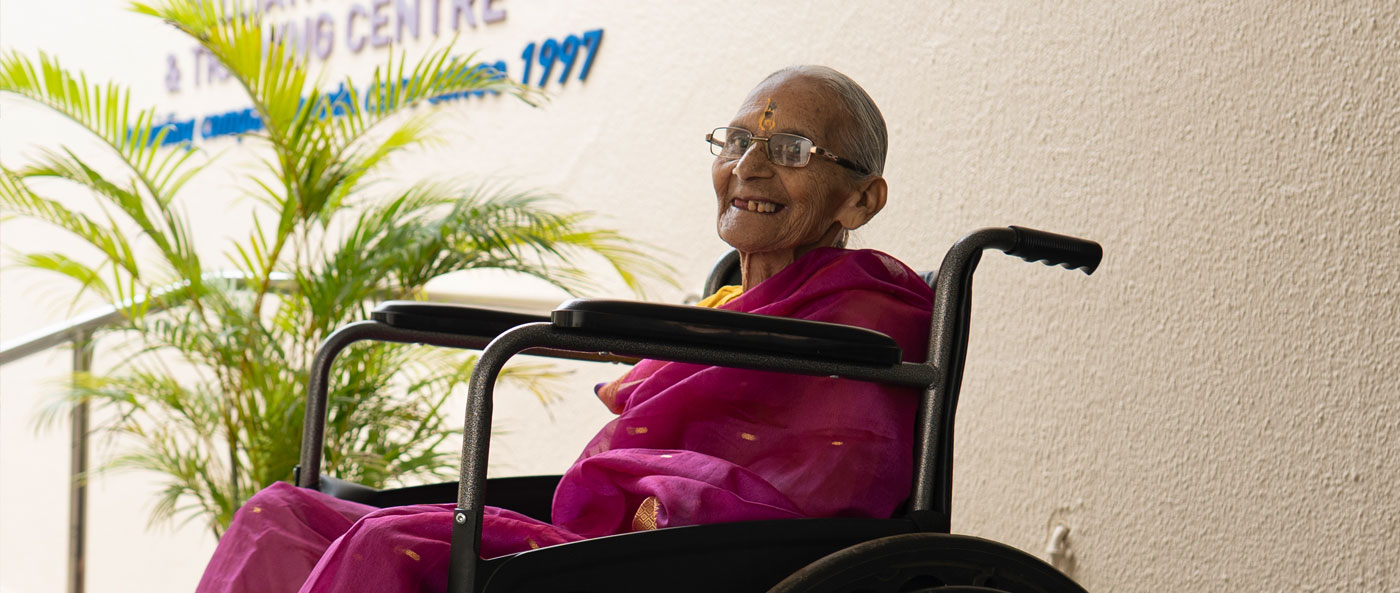
She was 65, single, and had lived a quiet, independent life in Satara. Known to her neighbours as a self-reliant woman who managed her days with dignity, Idhaya had never imagined that age and illness would one day take away the very independence she valued most.
As her strength declined, a wound developed in her breast. What began as physical weakness soon demanded medical attention beyond what was available to her locally. Concerned neighbours brought her to Pune, where doctors diagnosed her with advanced-stage breast cancer. Given her age and the progression of the disease, curative treatment was no longer an option.
What made her situation even more fragile was that she had no immediate family, no caregiver, and no one to tend to her wound or help manage her pain.
Recognising her extreme vulnerability, a well-wisher brought her to the Cipla Palliative Care OPD. There, a social worker carefully assessed her condition—not only her medical needs, but also her social and emotional reality. After a detailed discussion, she was admitted to the Centre, where she has now been receiving care for the past eight months.
From the beginning, palliative care addressed more than her physical symptoms. Regular counselling sessions helped her navigate fear, loss, and uncertainty. Slowly, she began to feel safe. Slowly, the centre stopped feeling like an institution and started feeling like a place where she belonged.
She was gently encouraged to engage with others. Over time, she began participating in entertainment and diversional activities. She sang during programmes, her voice carrying both nostalgia and quiet joy—small but powerful expressions of life reclaiming space amid illness.
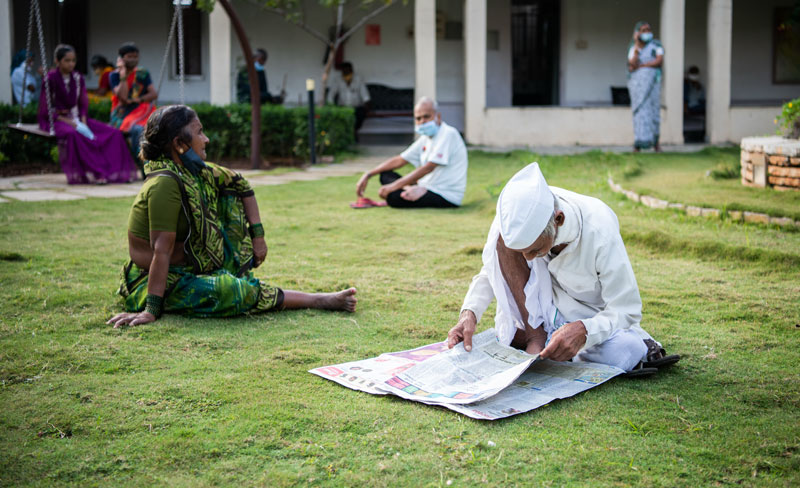
During counselling, she shared that reading had always been one of her favourite pastimes. In response, the team arranged suitable reading material for her. Books soon became part of her daily rhythm, offering comfort, familiarity, and a sense of continuity with the person she had always been. This simple act helped her reconnect with herself beyond her diagnosis.
Yet, even as she settled into the Centre, loneliness lingered. She missed her well-wisher deeply—the one familiar connection to her life before illness. Understanding how vital emotional bonds are, the team arranged for regular weekly visits. These visits became anchors, restoring reassurance and emotional stability.
She is fond of food and often expresses preferences and requests…needs that are met through patient welfare support. These everyday choices, too, are part of care: affirming her agency, her likes, and her individuality.
Today, she is emotionally more stable and feels secure. The Cipla Palliative Care & Training Centre has become more than a place of treatment…it is her home, and it’s people are family. A space where pain is managed, loneliness is acknowledged, dignity is preserved, and life, even in its final chapter, is lived with companionship and respect.
Her story is a reminder that holistic palliative care does not only ease suffering, it restores belonging, identity, and the profound human need to be seen and cared for.