
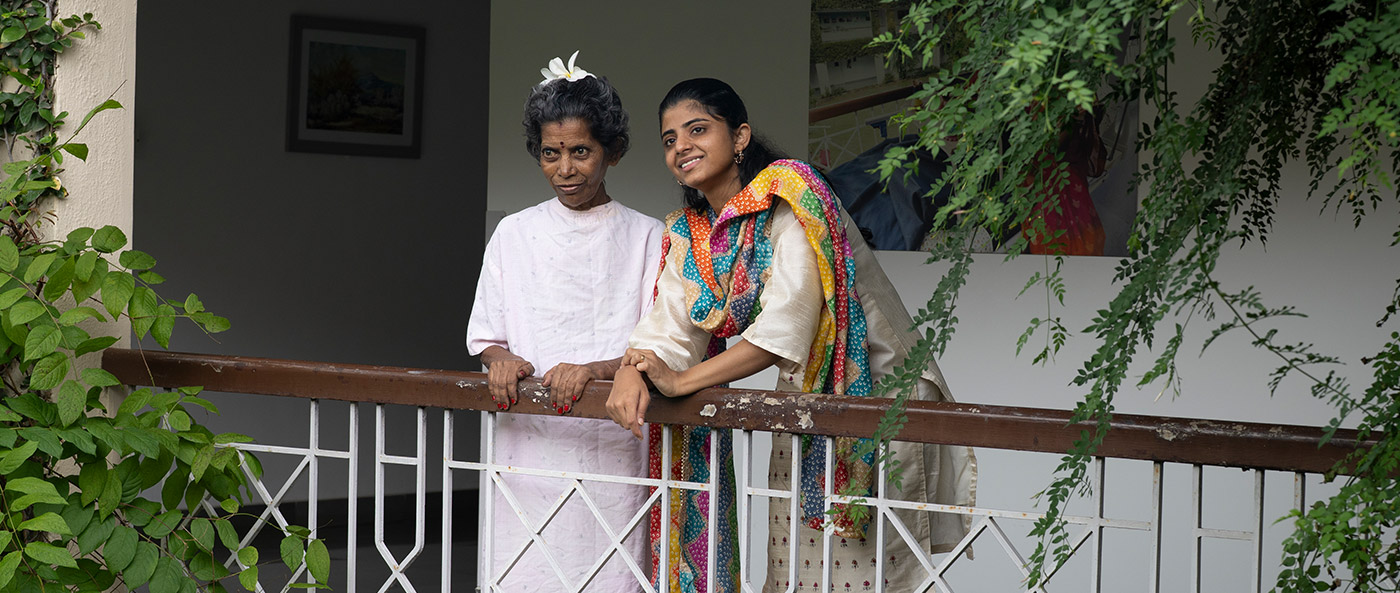
Palliative care is often understood through the lens of doctors, medication, and symptom relief. But there is another presence within this ecosystem - one that sits beside patients and families when conversations become difficult, unclear, or overwhelming. That presence is the social worker.
The role of a social worker is not confined to coordination or support in the background. It is about communication, understanding, and navigating vulnerability alongside patients and caregivers. Through conversations with Dr. Shruti, who leads the Medical Social Work department at the Cipla Palliative Care and Training Centre, we explored what a day in this role truly looks like - and what it demands emotionally, ethically, and humanely.
Understanding Before Acting
A large part of social work in palliative care begins with conversation - not surface-level exchange, but intentional listening.
Patients may say they understand their diagnosis. Yet understanding can mean many things. Social workers unpack what patients truly comprehend, how they interpret their illness, and whether they have accepted its implications.
As Dr. Shruti explains:
“It’s not just about what patients know - it’s about what they understand from the information given to them.”
The same applies to caregivers. Discussions explore their grasp of prognosis, treatment possibilities, and future expectations. These conversations form the foundation for meaningful care planning.
This process also involves translating clinical language into human understanding, a bridge between medical communication and lived experience.
“We sit and decode what doctors have said and what families have understood.”
Seeing the Whole Person
Beyond illness lies the individual - their relationships, social networks, financial realities, and emotional world.
Social workers explore intricacies such as:
- Who are the patient’s close relationships?
- How are family dynamics shifting?
- Has treatment impacted finances, education or work?
- Who is making decisions within the household?
- What fears remain unspoken?
These discussions often surface vulnerability. Trust takes time to build. Some families share openly from day one; others reveal their reality only after several interactions.
“It’s all vulnerability that we’re putting on the table.”, says Dr. Shruti.
The information gathered shapes care plans distinct from clinical ones- plans that consider emotional readiness, social circumstances, and future coping needs.
Preparing Families Before Loss
Palliative care does not only address the present; it prepares families for the future. One critical aspect of social work involves assessing anticipatory grief — especially when illness affects children or primary earners.
Support may include:
- Counselling family members
- Guiding education or skill-building plans
- Connecting them to community resources
- Encouraging self-sufficiency
The aim is empowerment rather than intervention.
“We don’t solve things for families, we guide them towards what they can do next.”
This preparation allows families to navigate transitions more steadily, rather than confronting uncertainty alone.
Work That Evolves Daily
While structured assessments guide practice, no day unfolds predictably. Patients disclose information at different paces. Caregiver roles shift. Emotions fluctuate. Unexpected crises arise.
Daily responsibilities may include:
- Bio-psycho-social assessments
- Family meetings with clinical teams
- Conflict mediation
- Emotional counselling
- Training caregivers in practical care
- Mapping patient journeys
At its core, the work remains human-centric.
“For us, it’s not the diagnosis first — it’s the individual.”
This perspective distinguishes palliative social work from more transactional models of healthcare engagement.
Guided by Ethical Foundations
Every decision is rooted in ethical principles that guide the multidisciplinary team:
- Autonomy
- Non-maleficence
- Patience
- Justice
These values shape how conversations unfold, how care is prioritised, and how dignity is preserved- ensuring compassion is intentional rather than incidental.
Moments That Sustain the Work
Working with serious illness daily is emotionally demanding. Yet meaning emerges from connection rather than resolution.
Dr. Shruti reflects:
“Nobody wants to work every day with pain and loss - but someone needs to be there for those going through it.”
Small gestures sustain the work:
A patient’s calm expression
A family’s quiet acknowledgement
A sense of having guided someone forward
The role is not framed as helping, but accompanying.
“We don’t say we help - we assist and guide.”
These moments reinforce purpose.
“At night, it feels like I did something worthwhile for society.”
Warmth That Families Remember
When asked what families recall most from their time at the Cipla Palliative Care and Training Centre (CPC), the answer is simple.
“The warmth we give.”
Even when clinical realities remain unchanged, communication style transforms experience. Families frequently recognise:
- Time offered without rush
- Honest yet compassionate dialogue
- Feeling seen beyond illness
- Human connection across hierarchy
This warmth becomes a lasting impression - sometimes more enduring than medical details.
Defining Closure
For social workers, meaning lies in ensuring:
- Final wishes are explored
- Emotional reconciliation is attempted
- Meaningful Conversations are held
- Practical matters are addressed
“When we’ve spoken about closure and fulfilled wishes - that’s meaningful.”
Conversely, sudden losses that prevent these processes leave lingering reflection.
“The hardest moments are when we open doors we don’t have time to close.”
Such experiences shape continued learning and practice.
Supporting Those Who Support Others
The emotional labour of social work affects practitioners deeply. CPC addresses this through intentional internal support systems:
Reflective group sessions
- Constructive learning discussions
- Flexible emotional breaks
- One-to-one check-ins
- Team-centred responsibility
The emphasis remains collective rather than hierarchical.
“It’s not the head and the team - it’s one team.”
Resilience is cultivated through shared accountability and mutual care.
Redefining Social Work in Palliative Care
Outside healthcare settings, misconceptions persist. Social workers are often seen primarily as administrative or fundraising support.
Dr. Shruti reframes this simply:
“A palliative care social worker is someone you can talk to - a friend who guides you through difficult times.”
The role restores humanity within medical journeys by seeing individuals as more than diagnoses.
“Patients are not files - they are people with lives, histories, and identities.”
This shift transforms how care is experienced.
A Closing Reflection
At the end of demanding days, reflections are both fulfilling and sobering.
Meaning arises when presence mattered - when guidance enabled closure or dignity. But reflection also lingers on missed opportunities or unresolved needs.
Ultimately, what remains is a sense of purpose.
“When wishes are fulfilled, we feel our existence was worthwhile for that person.”
In palliative care, social workers do not simply witness journeys - they help shape them. Through listening, translating, guiding, and supporting, they ensure that care remains deeply human, even when circumstances are difficult.
Their work reminds us that compassion in healthcare is not abstract. It is practiced, intentional, and lived — one conversation at a time.