
Illness often enters a family quietly at first. A new routine here, a hospital visit there, and suddenly life feels heavier than it used to. Patients and caregivers alike often find themselves with more questions than answers.
This is where Palliative Care comes in.
What Is Palliative Care?
Palliative care is holistic care that focuses on relief from pain, symptoms, stress, and emotional distress caused by serious illness. It supports not just the patient, but also their family and caregivers.
At its heart, palliative care is about:
- Managing pain, symptoms, and discomfort
- Reducing stress and emotional distress for patients and caregivers
- Offering guidance and support for medical decisions
- Working alongside ongoing treatments - not replacing them
- Supporting families with information, counseling, and care coordination
- Ensuring care that respects dignity, comfort, and personal wishes
It is an extra layer of care that walks alongside patients throughout treatment, focused on helping people live as well as possible, for as long as possible.
Guided by Cipla’s philosophy of Caring for Life, palliative care places people, not just illnesses, at the centre of care.
A story of care from our archives
A man with advanced lung disease struggled to breathe even while resting. Palliative care helped adjust his medications, taught his family simple breathing techniques, and provided emotional support. With fewer hospital visits, he was able to spend time with his loved ones.
Is Palliative Care Only For End-Of-Life?
This is one of the most common myths.
Palliative care can begin at diagnosis, not just in the final days. It can be provided alongside treatments such as chemotherapy, dialysis etc.
Starting palliative care early often means:
- Better symptom control
- Less emotional distress
- Informed decision-making
- Stronger support for families
Choosing palliative care is not about “giving up.” It is about adding support.
A story of courage and connection
A teenage girl living with cancer did not ask for miracles. She asked for her parents’ presence, honest conversations, and small moments of normalcy. With palliative care, her pain was managed, her family was supported, and relationships were gently repaired, finally allowing love and dignity to lead the way, instead of pain.
Who Is Palliative Care For?
Palliative care is for children, adults, and the elderly. It is not limited to cancer.
People living with conditions such as:
- Heart disease
- Stroke
- Parkinson’s disease
- Dementia
- Chronic lung disease
- Neurological conditions
- Genetic or developmental disorders
or any other life-limiting illness can all benefit from palliative care.
Every person deserves to be free from pain, respected, and understood, not only in moments of crisis but throughout the entire journey of illness. Early involvement makes a significant difference.
A story of strength and solidarity
A young child with cerebral palsy received home-based palliative care focused on comfort, nutrition, and family counselling. The care did not just support the child, rather, it helped the parents feel less alone and more confident caring for their child at home.
What Kind of Support Does Palliative Care Provide?
Palliative care looks at the whole person – not just the illness. It begins by asking what truly matters: Are you comfortable? Do you feel heard? Who is supporting you at home?
It focuses on relief from pain, breathlessness, fatigue, nausea, and other symptoms that affect daily life. Alongside this, it offers emotional and psychological support to help patients and families navigate fear, uncertainty, and grief.
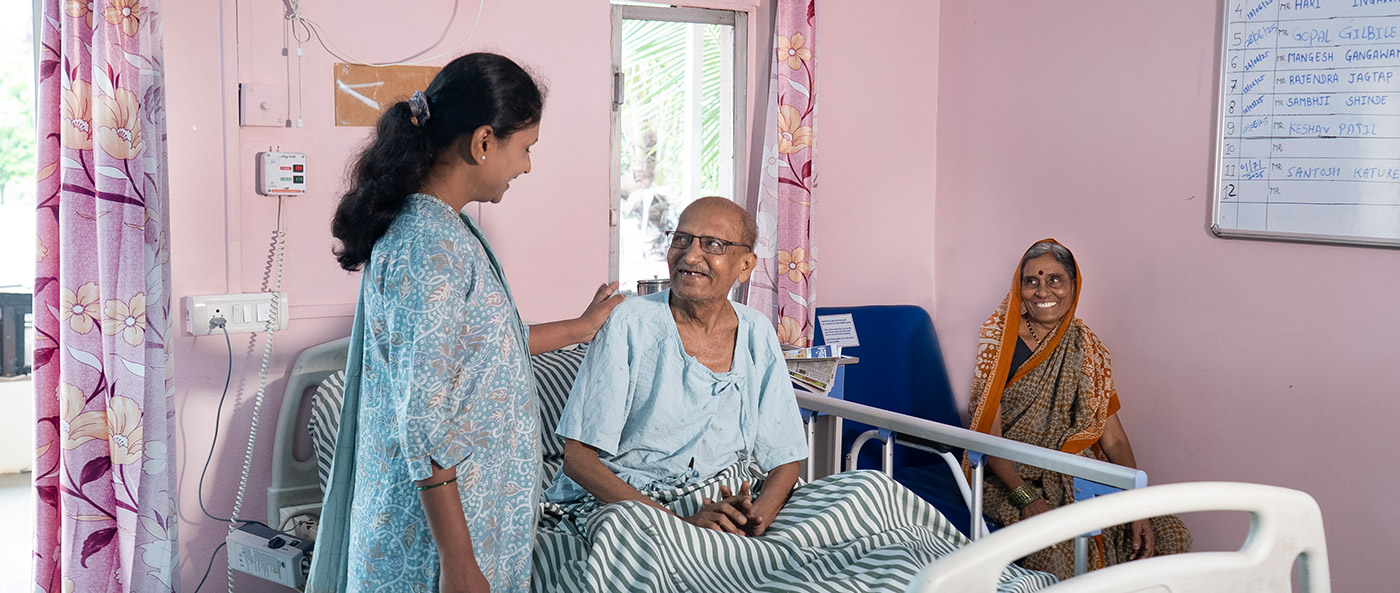
Care is provided by a trained multidisciplinary team working alongside the patient’s treating doctor. Doctors, nurses, counsellors, physiotherapists, nutritionists, social workers, and volunteers work together with a shared goal - easing distress and improving quality of life.
Where Is Palliative Care Available?
Palliative care is not limited to a hospital setting. One of its greatest strengths is its flexibility- it meets patients and families where they are.
Depending on the patient’s condition and needs, palliative care may be provided in:
- Hospitals and medical centres
- Outpatient clinics
- Hospices
- At home
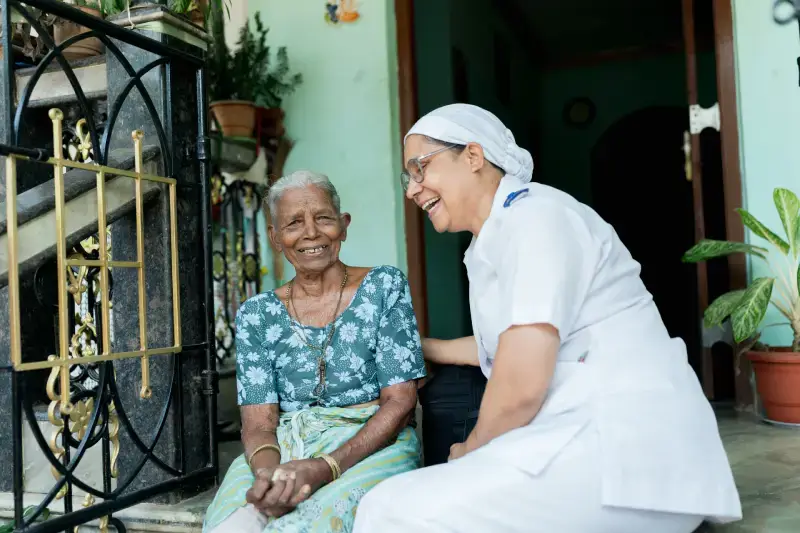
Home-based palliative care, in particular, can be deeply comforting. It allows patients to remain in familiar surroundings, supported by loved ones, while still receiving professional medical and emotional care. Here at Cipla Foundation, this philosophy is reflected through doorstep palliative care services that bring medical and emotional support directly to patients’ homes. This approach often reduces stress, hospital visits, and feelings of isolation for both patients and caregivers.
Care That Is Personalised, Not Prescribed
One of the defining features of palliative care is that it is never one-size-fits-all. Each patient’s experience of illness is different, and palliative care is carefully tailored to reflect that.
- Care plans are customised based on:
- The patient’s medical condition and symptoms
- Emotional and psychological needs
- Family structure and caregiving capacity
- Cultural, spiritual, and personal values
- Practical considerations such as finances and accessibility
This personalised approach ensures that patients feel seen as people, not just as diagnoses. Families are actively involved in conversations and decisions, helping care align with what truly matters to them. By adapting to changing needs over time, palliative care remains responsive, compassionate, and deeply human.
From us, to you
When you or someone you know is facing serious illness, reaching out for support can feel like a big step. You don’t have to take it alone.
You can begin by Calling the Saath-Saath Palliative Care Helpline (1800-202-7777) – a free, national helpline where a trained Saathi listens with care, answers questions, and helps you understand available support.
You may also choose to:
Explore the Lifeboat Journey, a simple visual guide that explains how palliative care supports patients and families through serious illness.
Download IEC materials from the website to share with family members or caregivers and start conversations gently.
Taking the first step can feel difficult — but support, guidance, and compassion are always within reach.