
Medicines remain an important part of managing physical pain when appropriate, but comprehensive palliative care also considers the person's functional, emotional, social and existential needs.
When we hear the word ‘pain’, we often think of physical discomfort — a sharp or shooting sensation, burning sensation, stiffness, or heaviness.
We may ask a patient, “How much is your pain on a scale of 0 to 10?” This can help us understand symptom severity, but a pain score is only one part of a broader pain assessment.
But in palliative care pain is not just a number.
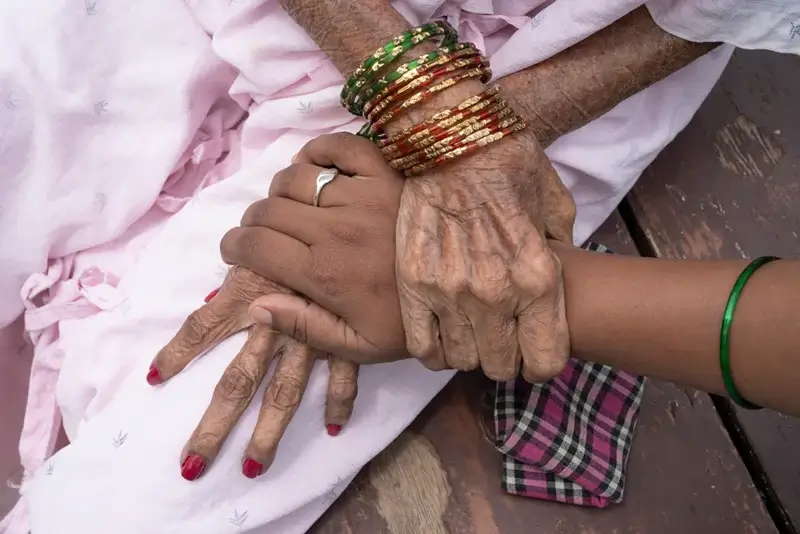
A person living with a serious, life-limiting disease may experience physical pain, but they may also face fear, anxiety, loss of independence, financial strain, or questions about the meaning and purpose of life. These experiences can shape how pain is perceived and experienced.
Pain has many dimensions
Now, when we try to understand pain, there are many dimensions to it.
Physical symptoms may include pain caused by the illness or treatment, as well as breathlessness, weakness, fatigue and problems related to prolonged immobility.
Psychological pain comprises fear, anxiety, uncertainty, and the emotional impact of a serious diagnosis.
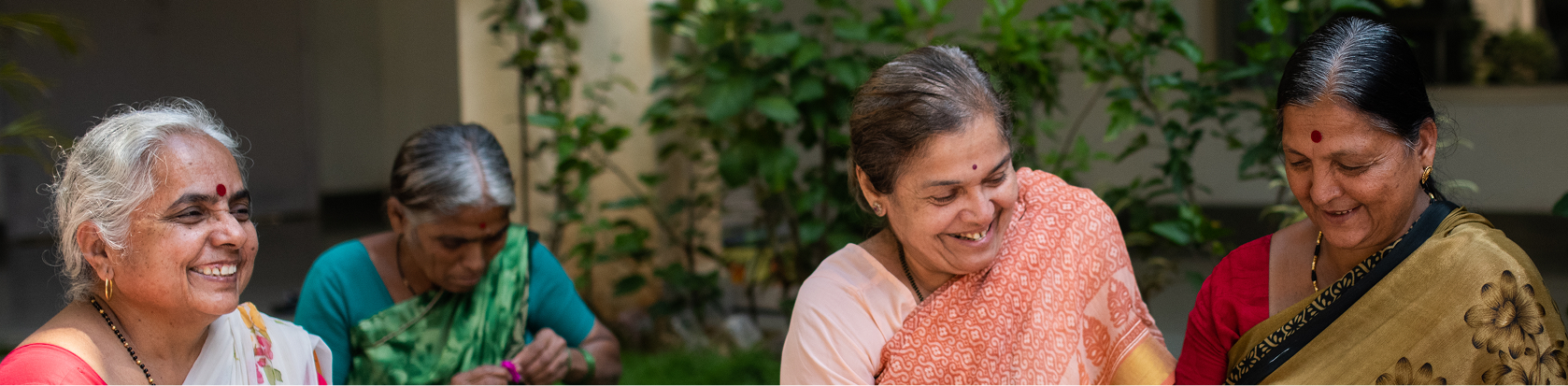
Social pain can occur when illness changes a person’s ability to function independently or participate in social activities. Dependence on others can sometimes be difficult for someone who has always been independent.
Spiritual or existential pain may involve questions such as, “Why is this happening to me?” “What is my purpose now?” or “What will happen to my family?”
All these dimensions coexist with each other. These dimensions can interact with one another, although not every person experiences all of them. Their relative importance may also change as the illness and the person's circumstances change.
A patient who is anxious may experience physical symptoms more intensely. Someone who has lost independence may feel emotionally distressed. Persistent physical symptoms may contribute to social withdrawal and loss of confidence.
Understanding total pain does not mean that every healthcare professional must address every aspect of suffering independently. Palliative care is a multidisciplinary approach.
Doctors, nurses, physiotherapists, psychologists, dietitians, and social workers each contribute their expertise.
It isn’t about one professional treating one symptom. It is about a team coming together to care for the whole person.
Where does physiotherapy fit in
At first glance, physiotherapy and palliative care may seem like an unusual combination. Physiotherapy is often associated with exercise, strengthening, rehabilitation, and recovery.
In rehabilitative physiotherapy, the most frequent question is, “What more can we do?”
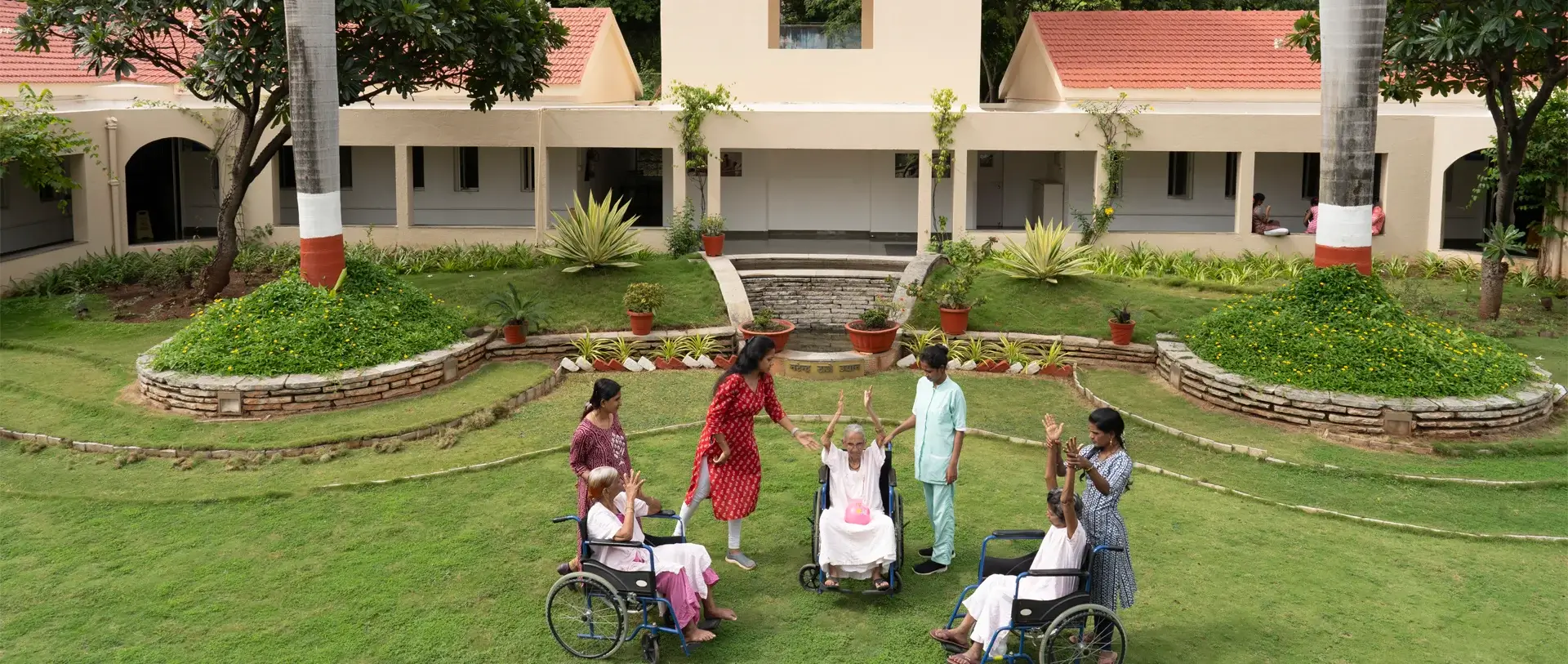
In palliative physiotherapy, the more important questions are, “What better can we do?” and “What function matters most to this person right now?” In palliative care, the focus of physiotherapy may shift from maximising function to achieving the function that matters most to the person at that point in their illness. It can support pain and symptom management through positioning, gentle movement, mobility strategies, energy conservation, breathing-related techniques, assistive devices and caregiver guidance.
For one patient, it could be being able to walk safely to the bathroom.
For another, it could be sitting comfortably in a chair and having a meal with family.
These goals may appear small from the outside, but for the patient, they can represent functional independence and self-confidence.
Physiotherapy is not just about the exercises we prescribe. It is also about what we notice and what the patient wants.
A patient may say, “My legs are too weak to walk.” But behind that statement may be a fear of falling.
Another patient may say, “I don’t want to exercise anymore.” They may be exhausted, or they may prefer to spend their limited energy with family rather than on exercises.
When we listen carefully, we may discover that the patient’s real goal is not improved muscle strength or walking distance. It may be something much more personal.
Perhaps they simply want to remain comfortable enough to have a conversation with their family.
These goals change how we approach therapy.
Conclusion
Physical pain may be felt in the body but the experience of illness and suffering can extend far beyond the physical symptoms.
Understanding total pain reminds us that effective palliative care must look beyond physical symptoms and consider the psychological, social, and spiritual dimensions of suffering.
Pain management, therefore, is not simply about reducing a number on a pain scale. It is about understanding what that pain means to the individual, treating physical pain appropriately, and helping them live as comfortably and meaningfully as possible.
Sometimes, the most meaningful outcome is not a longer walk, a stronger muscle, a better appetite, decreased pain, or financial support. Sometimes, it is simply helping a person move towards what matters most to them.
And perhaps that is the essence of palliative physiotherapy: Helping preserve comfort, dignity, and meaning in every aspect that remains.
Author: Dr Ashwini Nair is a Physiotherapist at the Cipla Palliative Care and Training Centre (CPC), Pune, with over nine years of clinical experience. Prior to joining CPC, she worked at Jupiter Hospital, Thane, with a specialization in intensive care unit (ICU) rehabilitation and patient management. At CPC, her work focuses on enhancing functional independence, mobility, and quality of life, tailoring physiotherapy interventions to each patient's abilities and individual care needs.
Disclaimer: The content of this article is intended for public awareness on palliative care . It is not a substitute for professional medical advice, diagnosis, or treatment. Care decisions should always be made in consultation with qualified healthcare professionals. The opinions expressed are those of the author based on professional experience and are intended to promote understanding of holistic palliative care practices.