
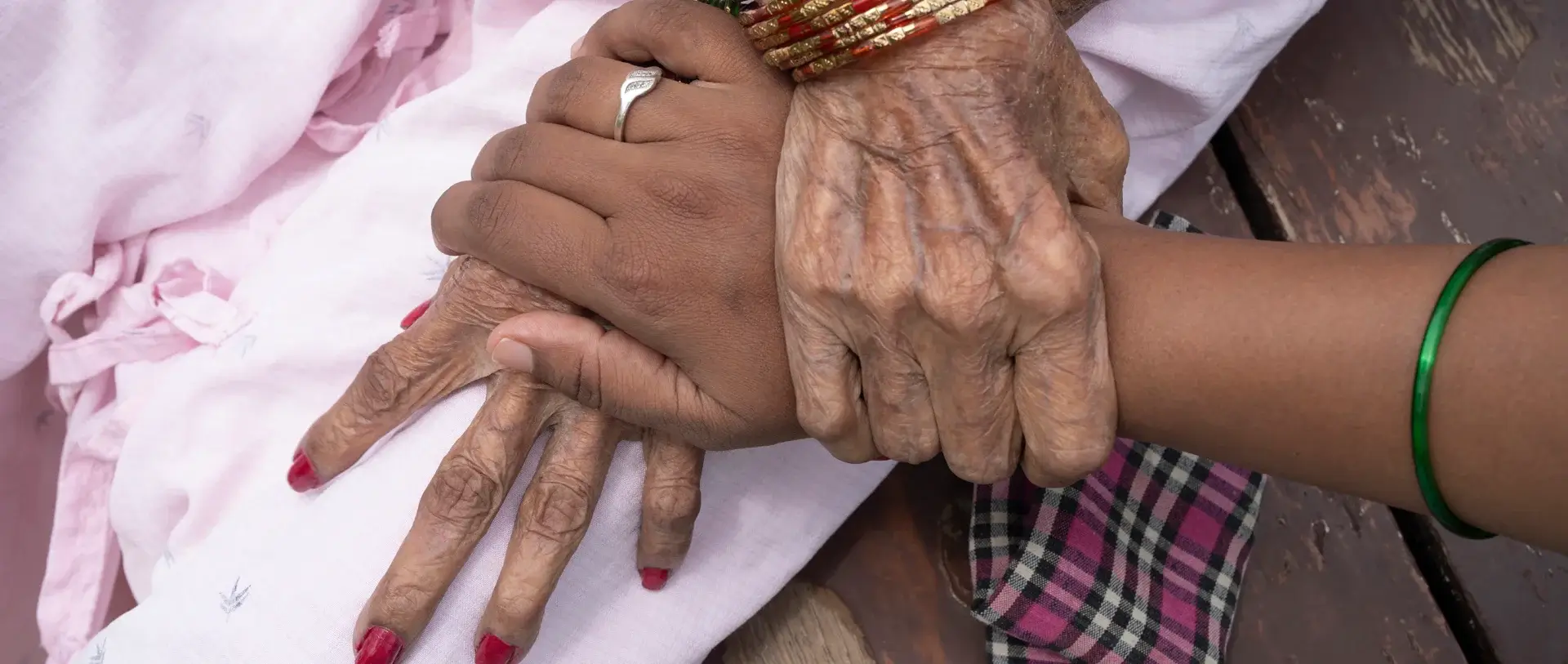
Working in palliative care has changed the way I understand pain.
As a medical social worker, I have learned that pain is not always something we can see or measure. Sometimes, it is the pain of helplessness — “I want to do something, but I cannot.”
I understood this through a young patient I was counselling. She had lost her vision because of her illness and was struggling with conflicts within her family. She was around my age and a mother of three children. While listening to her, I found myself wondering what it might feel like to lose the ability to see my children or be there for them in the way I wanted.
She was not only dealing with her illness. She was also dealing with the helplessness of no longer being able to support her children as she wished. Her mother stood strongly beside her, trying to support her through this difficult time.
Through ongoing conversations, it became clear that one of her greatest sources of distress was the separation from her children. In palliative care, we recognise that suffering often extends beyond physical symptoms to include emotional, relational, and social concerns. By listening to her story and understanding what mattered most to her, we identified family connection as an important aspect of her overall well-being.
It sounded simple, but because of family circumstances, it was not easy. As a social worker, I initially wondered whether I should step into an already complicated family situation. But I realised that this was not just about arranging a meeting. For her, meeting her children meant reconnecting with an important part of her life.
After several conversations and follow-ups with the family, the meeting finally happened.
When she finally met her children, I could see a change in her. There was a sense of relief, and her distress seemed lighter. For that moment, the circumstances around her had not changed, but something had. She was with her children, and that mattered deeply to her.
This experience reminded me that compassionate care does not always mean doing something big. Sometimes, it is about understanding why a particular wish matters. And sometimes, it is about helping a patient feel that even though the illness has taken away many things, they still have a voice, choices, and relationships that matter.
In palliative care, we often focus on physical symptoms, but a person’s suffering can also come from fear, family conflict, loss of independence, financial concerns, unfinished responsibilities, or simply the feeling of being helpless.
Patients have taught me that a person's experience of pain and suffering cannot always be understood through physical symptoms alone.
Helplessness can be pain. Loss of independence can be pain. Disconnection can be pain. And sometimes, restoring a small sense of connection can itself become a part of pain relief.
Pain management in palliative care therefore begins with understanding more than the symptom. It means treating physical pain appropriately while listening for the fears, losses, relationships and concerns that may shape a person's experience of suffering.
Author: Sonali Deshmukh is a Medical Social Worker at Cipla Palliative Care & Training Centre (CPC), Pune, with experience in oncology and psychosocial care. Prior to joining CPC, she worked at Tata Memorial Hospital, supporting patients and families through the complex social and emotional challenges of cancer.
Disclaimer: The content of this article is intended for public awareness on palliative care . It is not a substitute for professional medical advice, diagnosis, or treatment. Care decisions should always be made in consultation with qualified healthcare professionals. The opinions expressed are those of the author based on professional experience and are intended to promote understanding of holistic palliative care practices.